


Dear HR Managers: Make Employee Appreciation Day a Career-Long Commitment, Not Just a One-Day Celebration

 As a higher ed HR leader, it’s part of your job to make sure your employees feel like a valuable part of the team, that they know you see their potential and are helping them reach the next stage of their career, and that their lives outside of work are important to you.
 In a recent CUPA-HR webinar, John Whelan, vice president for human resources at Indiana University, shared excellent advice on this topic, including three proactive steps HR can take now to help lessen the impact of the enrollment cliff.
  On February 11, the Senate Commerce, Science, and Transportation Committee’s subcommittee on Manufacturing, Trade, and Consumer Protection held a hearing entitled, “Name, Image, and Likeness: The State of Intercollegiate Athlete Compensation.” The hearing was intended to “examine ongoing issues that surround compensating collegiate athletes for the use of their name, image and likeness.”
  The Emerging CUPA-HR Leaders program is aimed at HR professionals who have assumed leadership roles at their institutions and are looking for the next opportunity to grow and engage.
 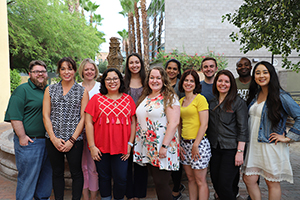 CUPA-HR’s Wildfire program offers early-career professionals a chance to connect with key association leaders and enables them to experience a variety of learning opportunities throughout the 12-month program.
  Ensuring that student affairs professionals feel engaged with their institution, know what resources are available on and off campus and know how they can utilize their strengths can help them perform better in their roles and positively influence the academic lives of students. Read about five ways Rollins College has transformed the onboarding experience for student affairs staff that you can apply at your institution.
  HR pros can provide support by being well-versed in policies related to telecommuting, leave and confidentiality; making sure accurate information is being shared along with new developments; and eradicating discrimination toward those who hail from countries where the outbreak is occurring.
  Well-being is made up of more than physical health. Mental, emotional, even financial health all play into well-being, and an imbalance in any one of these components among the higher ed workforce could cause a wrinkle in daily operations and interrupt productivity. So how are higher ed institutions providing employees with programs and resources to enhance their overall well-being?